BIGSTORY Network


India Feb. 12, 2026, 4:02 p.m.

Beyond the Ballot: Why Bangladesh’s Gen Z is Voting for a New Constitution Today

Bangladesh votes in its first post-Hasina election. Tarique Rahman's BNP faces a surge from the Jamaat-NCP alliance, while a historic referendum seeks to end "Prime Ministerial Autocracy."

by Author Brajesh Mishra
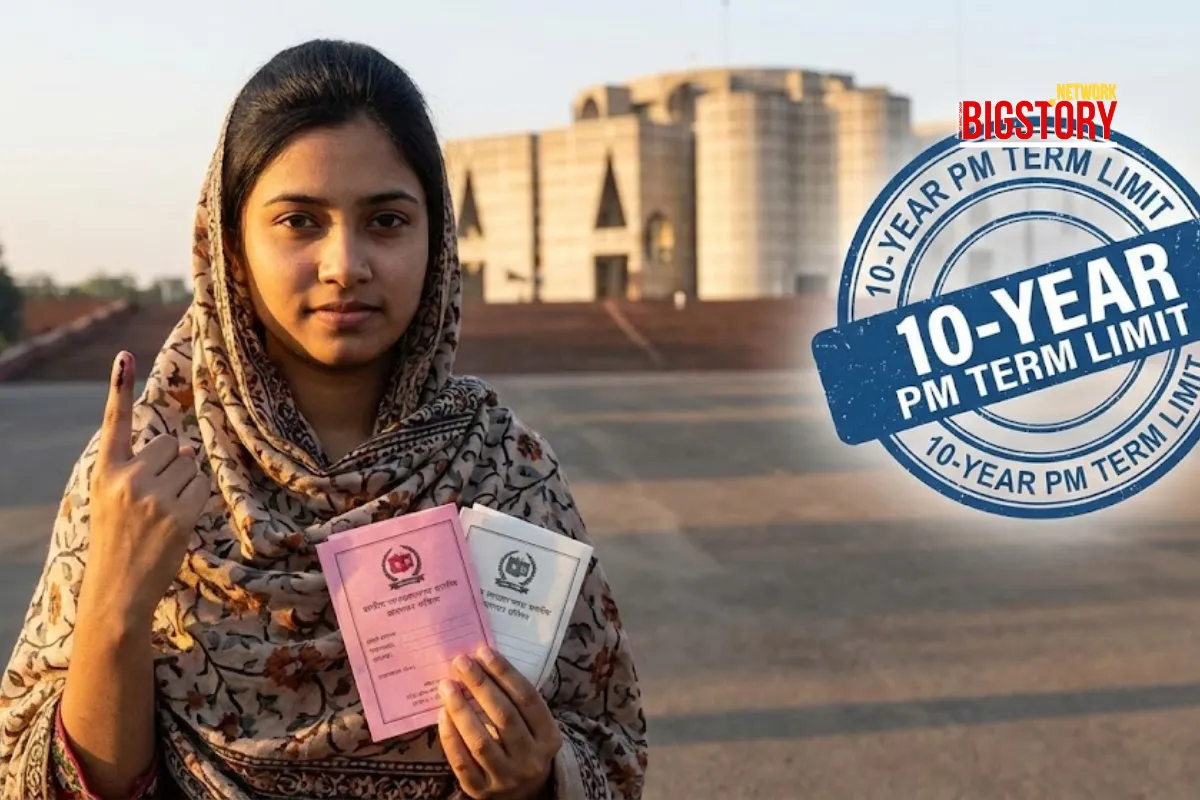
Hero Image

For the first time in 17 years, the streets of Dhaka do not feel like a battlefield, but a festival. Today, the world's first "Gen Z-led" uprising is being codified at the ballot box. While the Bangladesh Nationalist Party (BNP), led by the recently returned Tarique Rahman, remains the frontrunner, they are facing a "Shadow Opposition" from an unlikely alliance between the Islamist Jamaat-e-Islami and the student-led National Citizen Party (NCP).

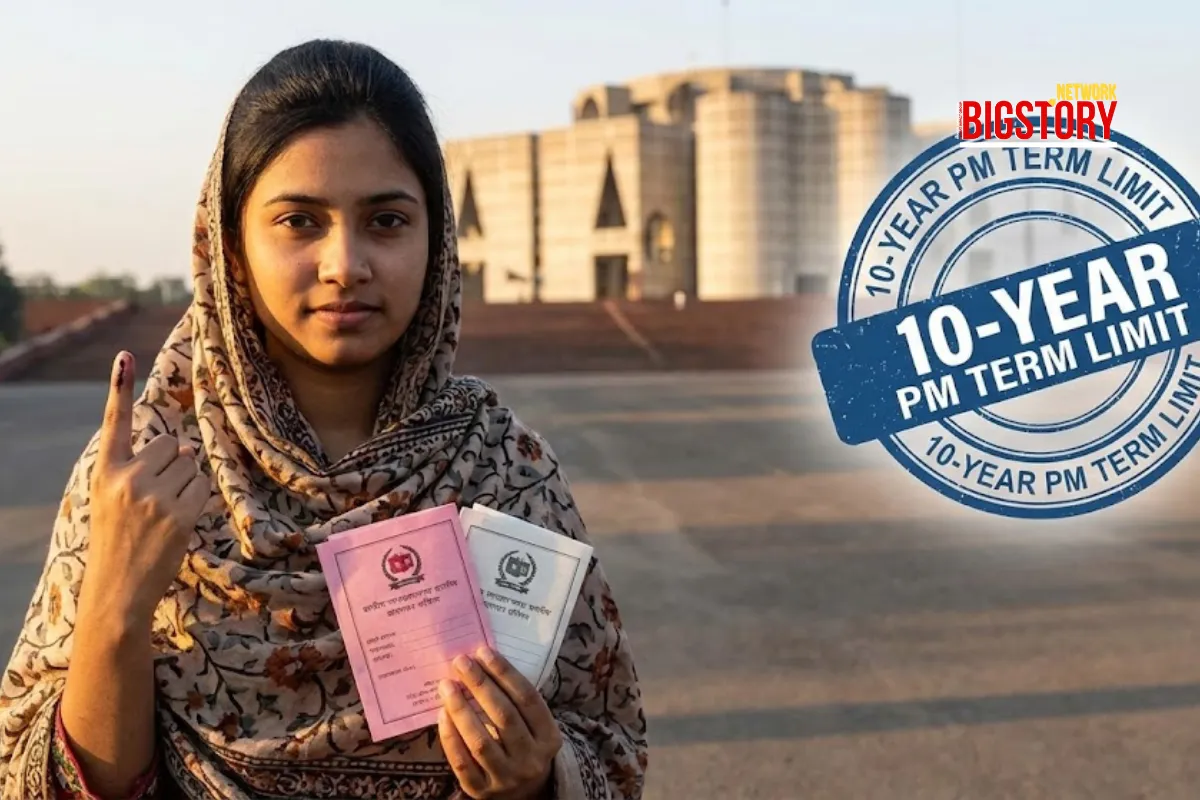
This matters because Feb 12 isn't just an election; it is a total structural overhaul. Voters are using a Pink Ballot to decide on the July Charter—a reform package that effectively nationalizes the "Caretaker Government" system and creates an Upper House to act as a check on executive power.

The BIGSTORY Angle (The Reframe)

While global media frames this as "Democracy Restored," the real BIGSTORY is the "Exclusionary Vacuum." For the first time in 30 years, the "Boat" symbol of the Awami League is missing from the ballot. With the former ruling party banned, the BNP has no natural rival to check its power.

The reframe is this: Today's real contest isn't between parties, but between "Dynasty" and "Reform." The BNP represents the old guard of the 1990s, while the NCP-Jamaat alliance is weaponizing "Anti-Dynasty" rhetoric to appeal to the 44% of the electorate under the age of 30. This is not a return to the status quo; it is a battle to see if Bangladesh will be a Conservative Democracy or a Reformist Republic.

The Context (Rapid Fire)

  • The Trigger: The Feb 12 General Election and National Referendum overseen by the Muhammad Yunus-led interim government.
  • The Backstory: PM Sheikh Hasina fled in August 2024; the interim government unbanned Jamaat-e-Islami and banned the Awami League in late 2025.
  • The Escalation: Just 72 hours ago, the US signed a 19% Tariff Deal with Dhaka, providing a critical "Western Endorsement" that helped stabilize the economy right before the first vote was cast.

The Chessboard (Key Players)

  • Tarique Rahman (BNP): The Frontrunner. He has promised a "31-Point Reform" outline but faces pressure from student leaders to prove he won't revert to old "revenge politics."
  • Shafiqur Rahman (Jamaat): The Kingmaker. By aligning with student leaders (NCP), Jamaat has rebranded itself as a "Pro-Reform" force to shed its 1971-era baggage.
  • Muhammad Yunus: The Steward. He voted early today in Dhaka, reiterating that his "task ends with the handover of power" to a sovereign parliament.

The Implications (Your Wallet & World)

  • Short Term: Expect the Dhaka Stock Exchange (DSE) to experience a "Stability Rally" on Sunday if the referendum passes with a high "Yes" margin, signaling institutional certainty.
  • Long Term: The 10-Year PM Term Limit (if passed) will fundamentally end the "Begum vs. Begum" era of permanent leadership, forcing parties to cultivate a younger second-tier leadership for the first time in history.

The Steel Man (The Counter-Argument)

The strongest argument against today's process is the "Missing 40%." The Awami League historically commanded a massive vote share. By banning them, critics—including some US lawmakers—argue that the election is a "Monologue," not a "Dialogue." Proponents argue that the ban was a "surgical necessity" to remove a fascist structure that had made free elections impossible for over a decade.

The Closing Question

Can a "Yes" vote on the July Charter truly end the cycle of authoritarianism in Bangladesh, or is the country simply trading one dominant party for another? Share your take in the comments.

FAQs

  • Q: Who is winning the Bangladesh election 2026?
  • A: Early trends suggest the BNP is leading in rural areas, but the Jamaat-NCP alliance is showing a strong surge in urban centers like Dhaka and Chattogram.
  • Q: What is the Pink Ballot in the Bangladesh election?
  • A: The pink ballot is for the National Referendum on the July Charter, where voters choose 'Yes' or 'No' on constitutional reforms like PM term limits.
  • Q: Is the Awami League part of the 2026 election?
  • A: No. The party's registration remains suspended, and its leaders, including Sheikh Hasina, are not participating in this election.

Sources: The Hindu, Indian Express, Anadolu Agency

Brajesh Mishra
Brajesh Mishra Associate Editor

Brajesh Mishra is an Associate Editor at BIGSTORY NETWORK, specializing in daily news from India with a keen focus on AI, technology, and the automobile sector. He brings sharp editorial judgment and a passion for delivering accurate, engaging, and timely stories to a diverse audience.

BIGSTORY Trending News! Trending Now! in last 24hrs
Beyond the Ballot: Why Bangladesh’s Gen Z is Voting for a New Constitution Today
India
Beyond the Ballot: Why Bangladesh’s Gen Z is Voting for a New Constitution Today
The Ahmedabad "Ghost" in the Cockpit: Why an Italian Paper is Blaming the Air India Pilot
India
The Ahmedabad "Ghost" in the Cockpit: Why an Italian Paper is Blaming the Air India Pilot
The "Poison Laddu" Serial Killer: Why a 72-Year-Old "Baba" Targeted Peeragarhi’s Wealthy
India
The "Poison Laddu" Serial Killer: Why a 72-Year-Old "Baba" Targeted Peeragarhi’s Wealthy
The WTO Sellout vs. The Soros Motion: Inside the Chaos of Parliament Day 11
India
The WTO Sellout vs. The Soros Motion: Inside the Chaos of Parliament Day 11